

What Rearranges Us
A Different Way to Begin Again

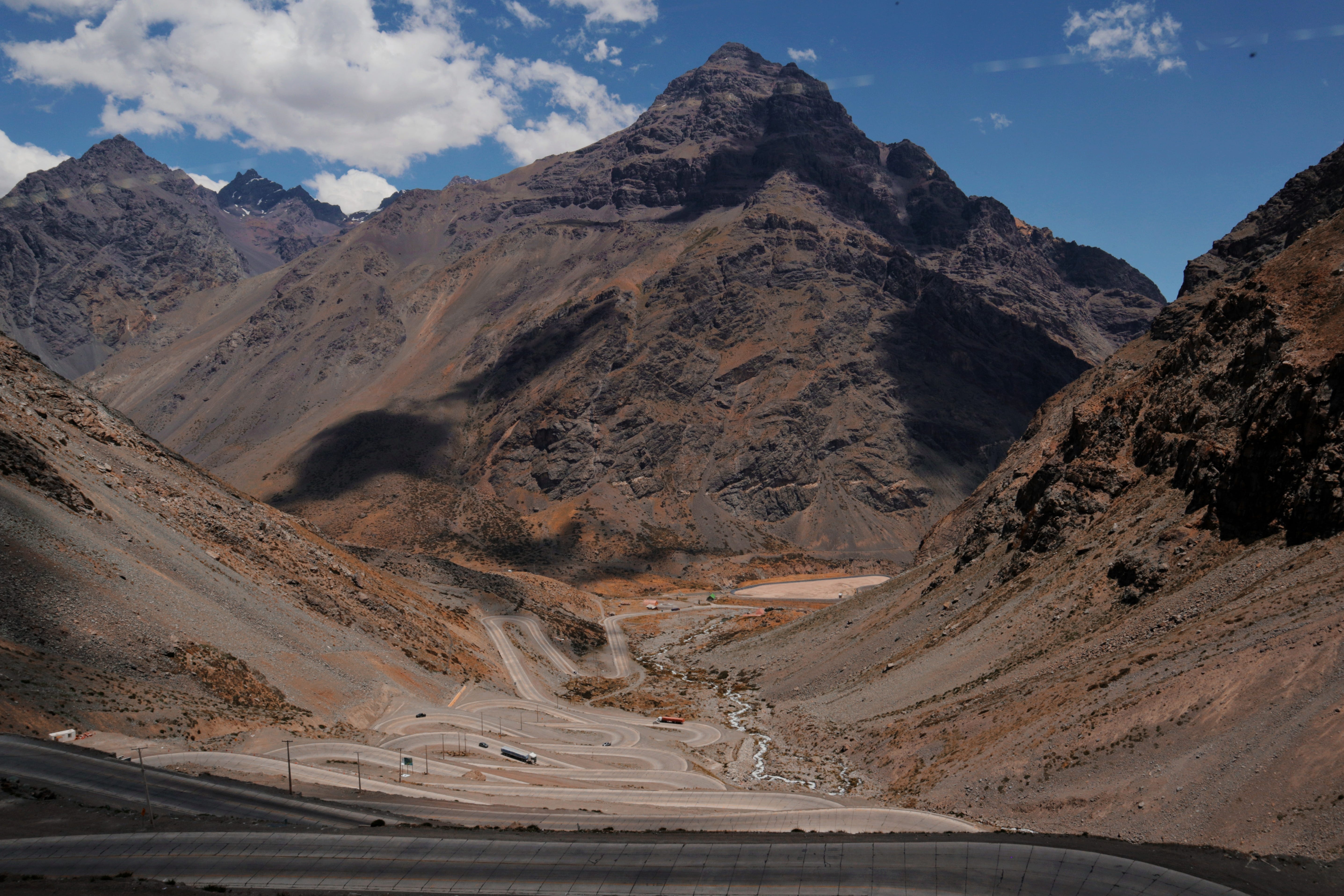
I crossed the Andes the other day.
Not in the way you probably imagine, sitting on a plane, watching the spine of South America stretching beneath me.
This was closer, more intimate.
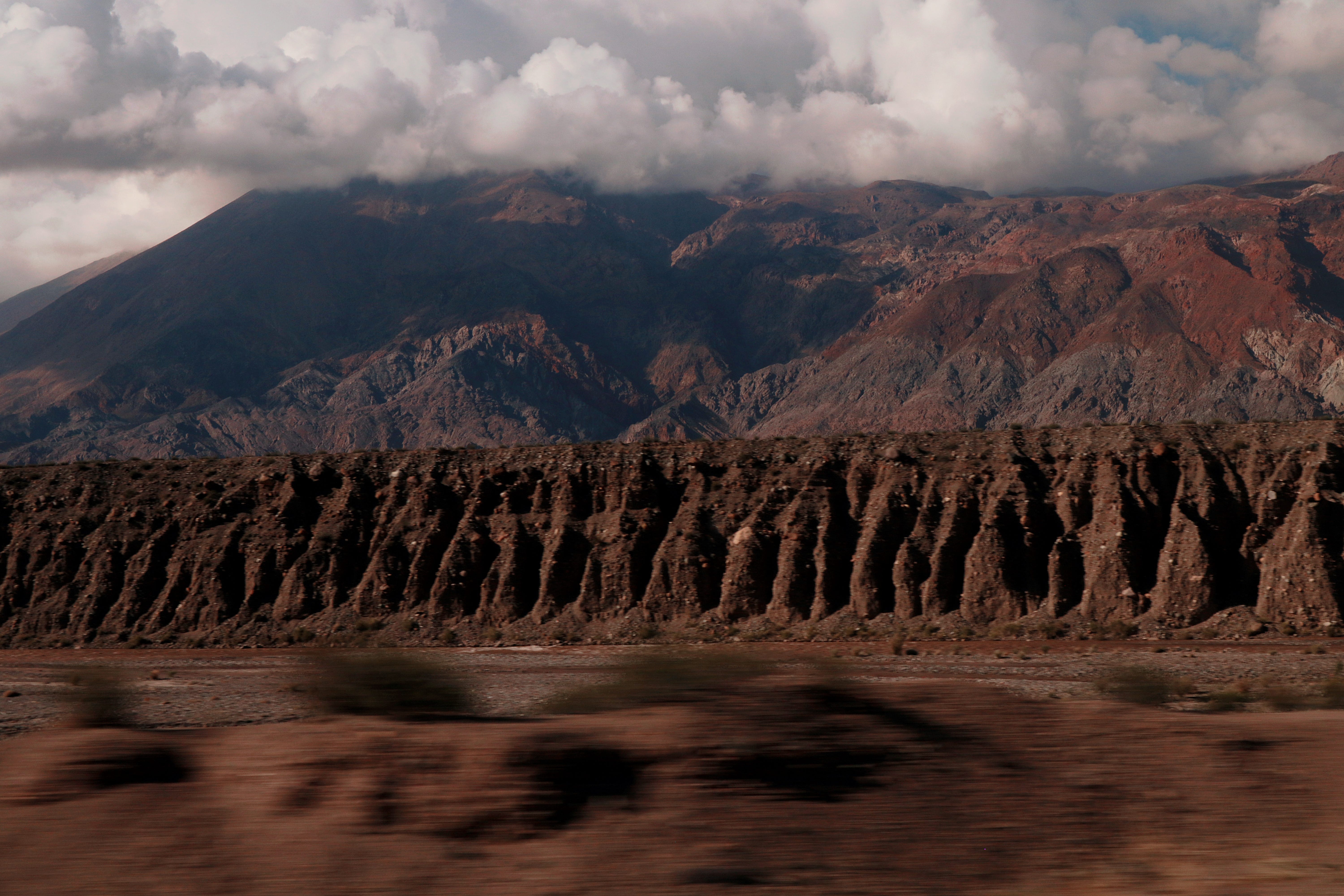
I saw the body of rock up close: the naked, red, shoulders of earth standing straight out of flat ground. Unapologetic.
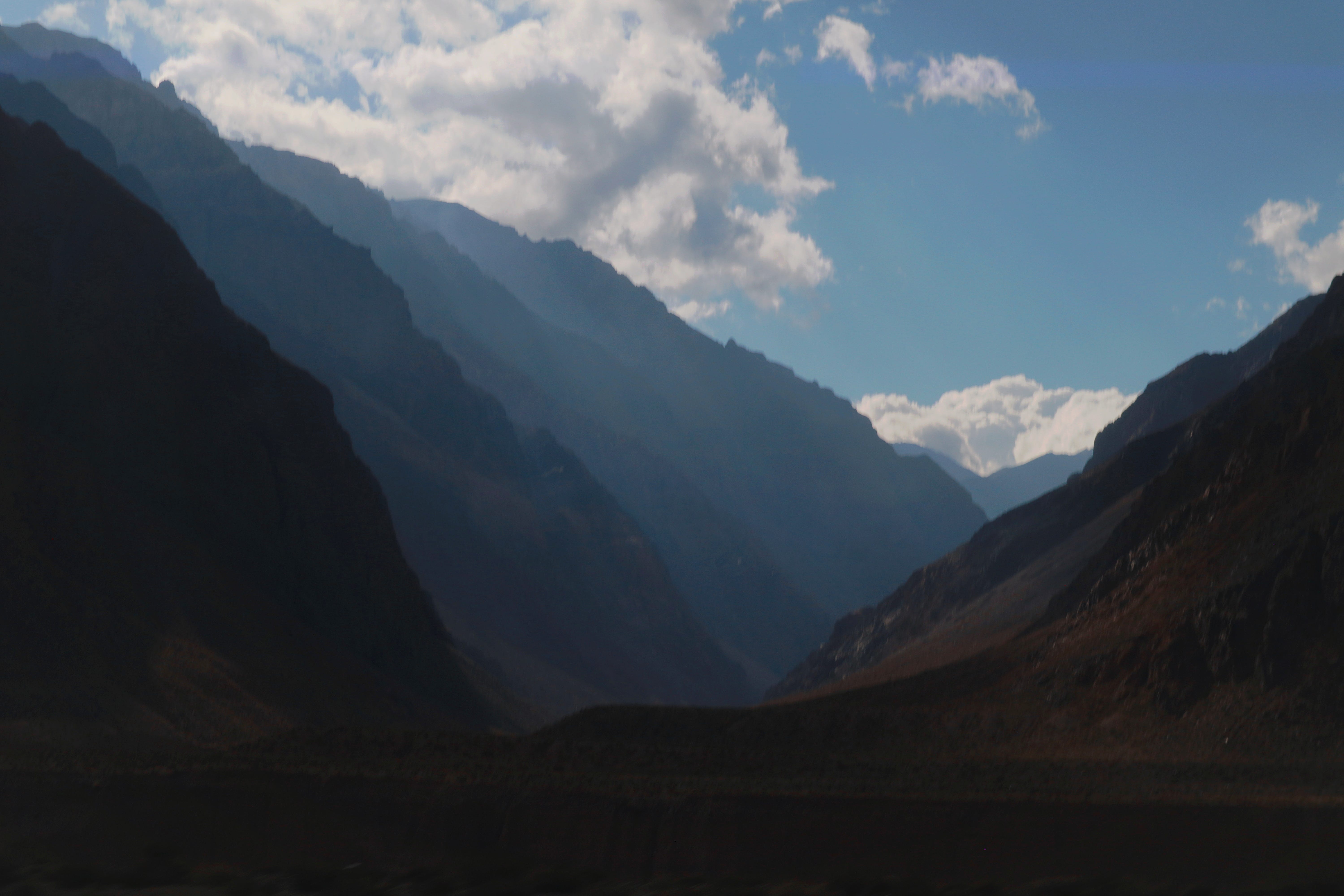
The orange stone, rounded by sun and time, suddenly split to let the silver water run. Then it grew taller and hardened into black spires piercing through the dark clouds, only to crack again and fold, as if the land were breathing through its ages all at once.
Never have I seen earth in such rawness.
The mountains I know are softened by green ornaments, draped in lushness, adorned, always.
But this land is bare to the bone.
It’s unmediated, as if it knows it needs no decoration. It’s potent and true in a way that tightens your throat because you don’t know how to express the feral awe that comes over you.
Our ancestors probably knew it, before language smoothed things out. Maybe only an unintelligible guttural sound would be appropriate here.
Or maybe not, because I was on a bus.
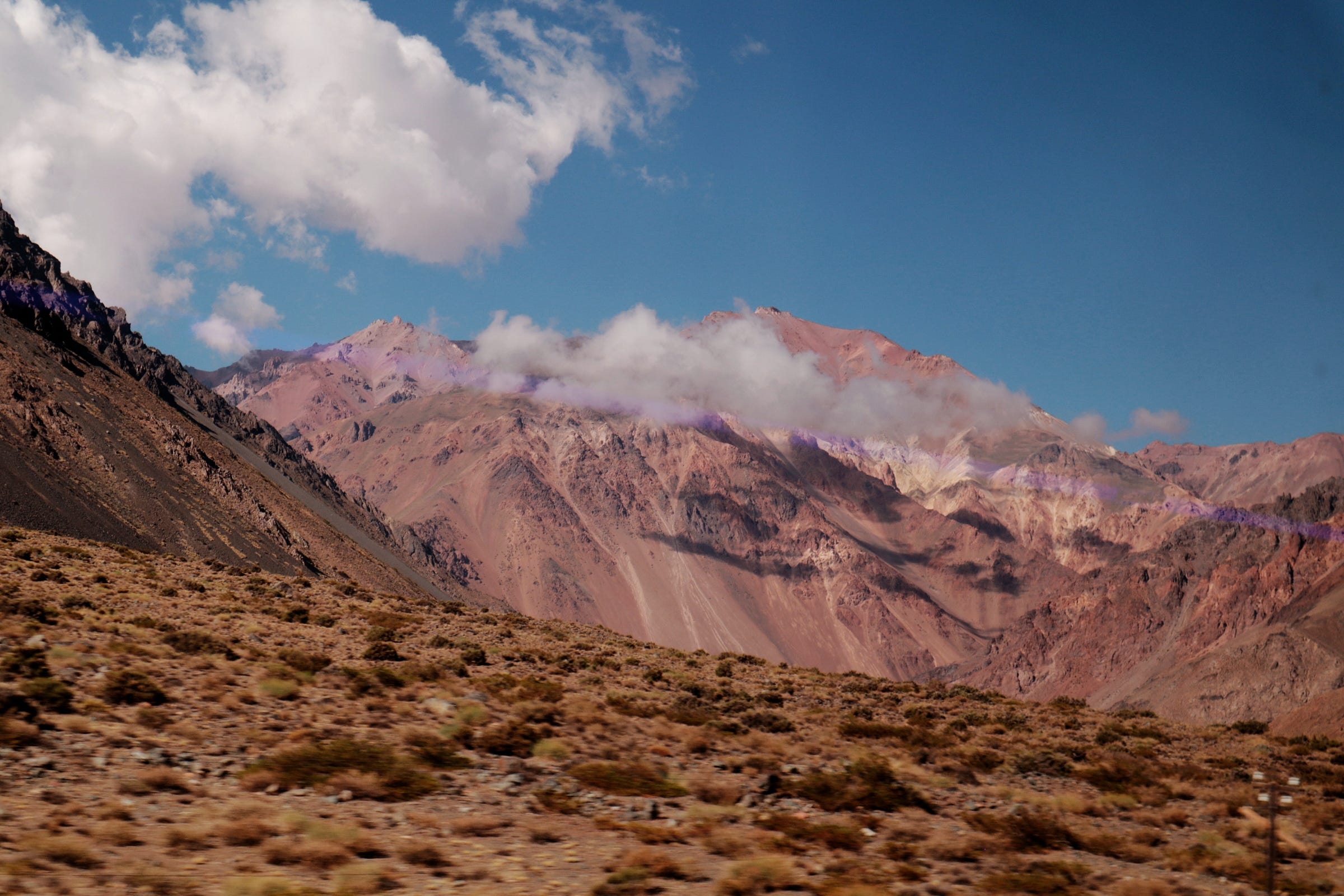
I feel like the shapes of these dangerously alive mountains seared themselves into the folds of my brain.
I swear, I am rearranged by them.
And once again, I remembered that the closer we get to life, the more something in us snaps back into its right place.
Sometimes these moments of intimacy look grand, scary, and intense on the outside, like crossing a mountain range. But sometimes they’re light and almost unnoticeable, like your partner placing a hand on yours, saying, I’ve got this. You rest.
In the moments of open closeness — with nature, with another person, with our own vulnerability — something in us moves. But not quite changes. More like rearranges.
If I learned one thing this year, it's to stop thinking of inner transformation strictly as change.
We love the concept of change, don’t we?
We love the before-and-after picture more than anything, the big release, anything that proves something drastic changed. It gives hope, it feels powerful. It’s cinematic. But most of all, it enables us to fantasize about escape.
When we’re deep inside a feeling, a state, or a reality we don’t want, all we crave is change. And that makes sense.
But we also swallow the narrative that to change things, we must become someone else entirely. Someone better.
I have always been obsessed with change. My go-to phrase when talking about myself, my life, my circumstances has always been: I’m going to change that. I’ve said it a million times, sometimes eagerly, many times through tears, always with determination.
And that conviction felt justified, because I did drastically change so many things on the outside. Whole structures of my life cracked and shifted creating a terrain that’s more spacious and wilder.
But what I’ve only recently understood is that this wasn’t only change happening inside me. The mechanism of change is replacement. One thing disappearing to give way to another.
But inside, the parts of me that once had to rise and harden under pressure didn’t just turn to dust, so the newer, better version could grow. At least not all of them. As much as I love to see myself as a totally new person, I know these old parts are still there. Just more in the back. Quieter.
Until recently, I wanted to change everything I didn’t like as if it had never existed. Just give me the opposite. The better. Take that social anxiety and turn it into someone who moves easily through rooms, talking to everyone without effort.
But now it feels truer to see myself as a living terrain, layered and dynamic.
Some layers formed because I needed protection. They became hard, almost impassable. Others exist because I chose them, built them slowly, carrying stone after stone until they became steady enough to stand on. Some rose suddenly, through shock or upheaval. Others formed during long stretches of safety, when nothing dramatic happened at all.
For a long time, continuity was hard for me to feel. I would look at myself from a year ago and feel like I didn’t know her. Shedding the old was always my instinct. Painful, yes, but it felt like the only possible way forward.
Today, it feels more honest to say this. I am changed. And I am also the same me, just rearranged. Some parts that once stood guard have stepped back. Other more alive ones have moved closer to the forefront.
Our nervous system is plastic. Deep, embodied experiences can reorganize what’s already there without the need for erasure.
Traveling is a powerful catalyst for this because it grabs you by the sleeve and drags you into the unfamiliar. The scaffolding of the known falls away. In the space that opens, something in you loosens and recalibration begins before the resistance kicks in.
But this opening can happen anywhere.
All that’s needed is a crack. A hairline crack in the surface.
It doesn’t need to feel dramatic or intense. It can feel almost like nothing. It just needs to be different enough from the usual so the pressure eases and something starts breathing again.
What if I stopped stress-cleaning? What if I put on music and lit a candle while I clean, not as a reward after? What if I moved slower, let my family help, and left some things undone?
A bit of mess does not mean I’m unsafe.
Or back in my childhood home.
That small safety is enough to let something more alive come forward.
We think a lot about change at the beginning of a new cycle.
You may be scanning your life right now, looking for what needs to be different. And that makes sense. Without the impulse to change, nothing would ever move.
But if lasting change grows from a subtle rearrangement inside, then the question isn’t only what needs to change, but what kinds of experiences reorganize us toward the life we want.
So maybe, instead of asking what to fix, you might sit with questions like these:
What part of you have you been trying to eliminate or outgrow? What happens if you let it stay, just not at the center anymore?
Where in your life do you feel even a small sense of safety or ease and how could you spend a little more time there?
What moments recently made you feel closer to life and what shifted inside you in those moments?
What is one small interruption you could allow just enough to create a crack in the usual pattern?
If you imagine yourself not as a project to be improved, but as a living terrain, what feels ready to soften, and what feels ready to come forward?
Maybe 2026 doesn’t ask you to become someone else. Maybe it asks only for a little more space, in your body, in your days, and in the way you relate to yourself.
And when there is space, life tends to find its way back in.
If moments of subtle rearrangement are this powerful, what happens when we create space for them on purpose?
In January, I’m opening a small, guided journey into archetype embodiment. It’s a guided journey where we work with myth, body, and lived experience to support this reorientation toward aliveness.
The work is subtle and embodied. Sometimes quiet. Sometimes surprising. Often transformative in ways that don’t look dramatic from the outside, but change how the ground feels beneath you.
You can learn more and join the January journey here:

May this new year give you space to notice, to breathe, and to feel the subtle shifts that move you toward aliveness.
Happy New Year!
With love and fire,
Helena
With love and fire right back at ya. Happy New Year.
Helena - Well done! Love this "agent of change" - What kinds of experiences reorganize us toward the life we want.
And as I might put it, what kinds of experience reorganize our mind and body that allow us a shot at that life we want, at leat for a short time.